Choosing formal shoes for men is about more than finding a design that looks good. The right pair should complement your outfit, fit comfortably throughout the day, suit the occasion, and offer quality that justifies its price.
Whether you are preparing for an important business meeting, attending a wedding, starting a new job, or upgrading your everyday office wardrobe, the wrong shoes can make even a well-fitted outfit look incomplete. Shoes that are too tight, difficult to maintain, or mismatched with your trousers can also become an expensive mistake.
The good news is that you do not need a large shoe collection to dress well. You need to understand a few essential styles, choose the right colour, recognise quality construction, and find a fit that works for your feet.
In this complete guide, you will learn how to choose formal shoes for different occasions, compare Oxford and Derby styles, match shoes with suits and trousers, identify quality leather, and avoid common buying mistakes.
Quick Answer: How Do You Choose the Best Formal Shoes for Men?
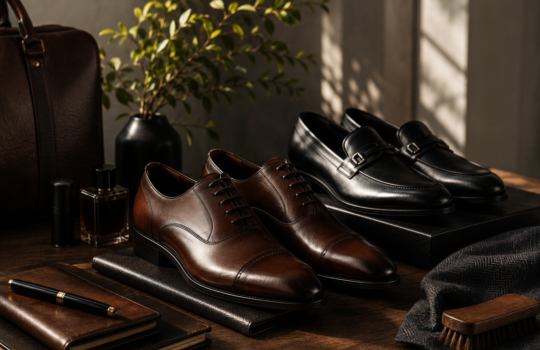
The best formal shoes for men depend on the occasion, outfit, comfort requirements, and budget. Choose black Oxford shoes for formal business meetings, interviews, and traditional formal occasions. Brown Derby shoes are a versatile choice for everyday office wear, navy suits, and smart-casual outfits. Monk strap shoes add distinctive style to tailored clothing, while leather loafers work well for less formal business settings and social events.
Before buying, check these five things:
- Style: Match the shoe design to the occasion and dress code.
- Colour: Start with black or dark brown for maximum versatility.
- Fit: Ensure sufficient toe room, a secure heel, and no painful pressure.
- Material: Look for clearly described leather quality and durable lining.
- Construction: Check how the sole is attached, the outsole material, and whether repairs are practical.
The most expensive shoe is not automatically the best choice. The right pair is one that fits properly, complements your wardrobe, and suits how frequently you will wear it.
1. Understand the Different Types of Formal Shoes for Men

Before choosing a colour or material, understand the main types of men’s formal shoes. Each style has a different appearance and level of formality.
Oxford Shoes: Best for Traditional Formal Occasions
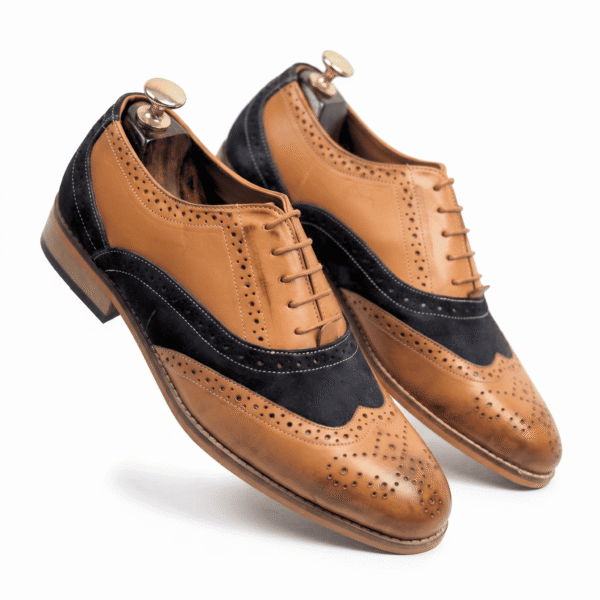
Add Character to Your Formal Look with Wingtip Oxford Shoes
Make a distinctive style statement with tan and black wingtip Oxford shoes. Their contrasting tones and brogue detailing bring personality to tailored outfits, formal occasions, and smart-casual looks.
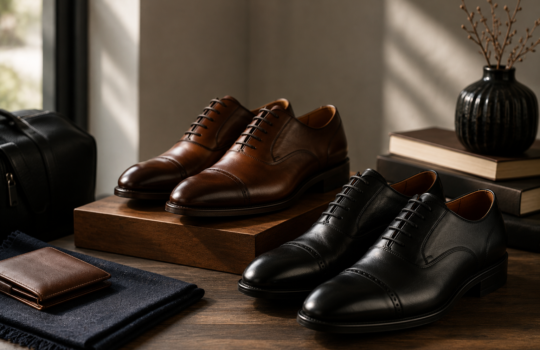
Explore Wingtip Oxford ShoesOxford shoes feature a closed-lacing construction, giving them a sleek and structured appearance. They are particularly suitable for formal business attire, interviews, weddings, and occasions where a polished look is important.
Best for: Black or charcoal suits, formal meetings, interviews, and dressier celebrations.
Buying tip: A plain or cap-toe black Oxford is an excellent starting point if your wardrobe frequently includes formal suits.
Derby Shoes: Best for Everyday Versatility
Derby shoes have open lacing, with the eyelet panels stitched over the shoe’s front section. This construction allows more adjustment around the instep and often suits men who need additional room across the top of the foot.
Best for: Office wear, business travel, presentations, and everyday smart dressing.
Buying tip: A dark brown Derby with a clean silhouette can work with navy suits, grey trousers, and tailored chinos.
Monk Strap Shoes: Best for Distinctive Style
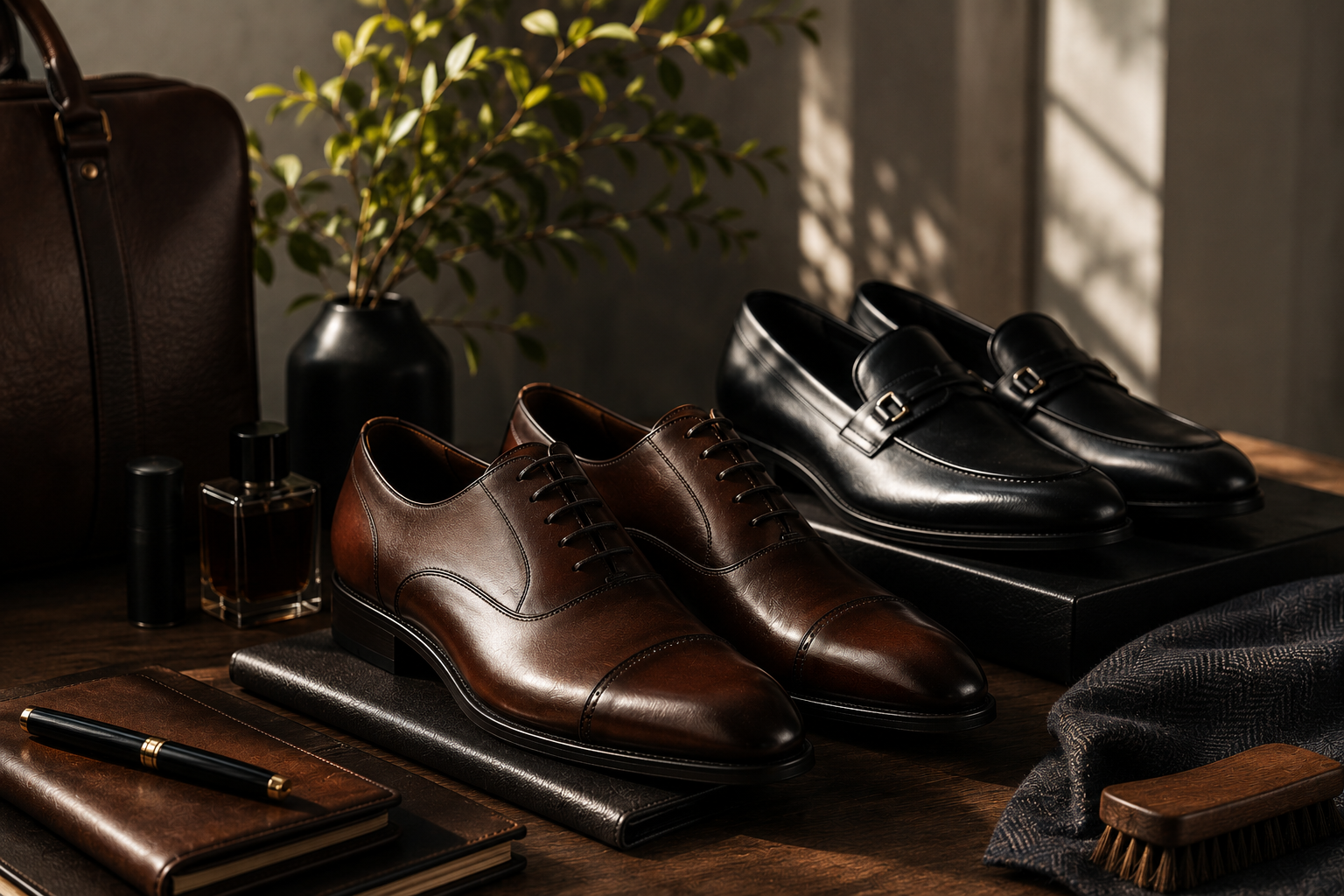
Monk strap shoes replace traditional laces with one or two buckled straps. They create a refined appearance with a little more personality than conventional lace-up shoes.
Best for: Business dinners, wedding receptions, tailored suits, and smart evening outfits.
Buying tip: Choose a simple single- or double-monk design if you want visual interest without excessive decoration.
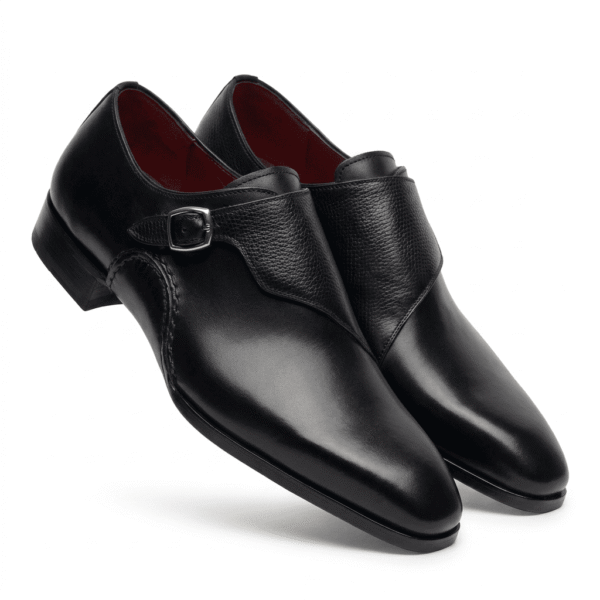
Refined Style by Calzoro
Complete Your Formal Look with Black Monk Strap Shoes
Looking for an alternative to traditional lace-up formal shoes? Black leather monk straps bring a distinctive, polished touch to tailored suits, business outfits, and special occasions. Explore the design and check the product details to see if it suits your wardrobe.
Explore Monk Strap Shoes →Leather Loafers: Best for Smart-Casual Dressing
Loafers are slip-on shoes that offer a relaxed alternative to lace-up formal footwear. Depending on their design, they can complement business-casual clothing, summer suits, and social occasions.
Best for: Office environments with flexible dress codes, dinners, and semi-formal daytime outfits.
Buying tip: Choose smooth leather and a streamlined profile for a dressier look. For strict business-formal or black-tie dress codes, lace-up shoes are generally the safer choice.
The key difference is not simply how each shoe looks. It is how its construction, decoration, and silhouette fit the dress code. Oxford shoes generally sit at the formal end of the spectrum, while Derbies offer greater flexibility for everyday wear.
2. Choose the Right Formal Shoe Colour for Your Outfit
Colour is one of the easiest ways to improve your overall appearance. A well-made shoe can still look out of place if its shade clashes with your trousers or the formality of your suit.
Here is a practical colour guide.
| Shoe colour | Best outfit combinations | Ideal occasions |
| Black | Black, charcoal and navy suits | Interviews, formal meetings, ceremonies |
| Dark brown | Navy, grey, beige and brown tailoring | Office wear, business dinners, weddings |
| Tan | Navy, light grey, beige and cream trousers | Daytime events, summer suits, smart casual |
| Burgundy or oxblood | Navy, charcoal and selected grey outfits | Evening events, business-casual dressing |
Black Formal Shoes: When Should You Choose Them?
Black is the safest choice when the occasion calls for a conservative, polished appearance. Black Oxfords work particularly well with black and charcoal suits, and they are a reliable option for interviews and formal business settings.
If you attend meetings where traditional business attire is expected, black leather shoes are a practical investment because they pair easily with darker tailoring.
Brown Formal Shoes: When Do They Work Best?
Brown shoes are especially useful if your wardrobe includes navy suits, grey trousers, beige chinos, or lighter-coloured tailoring.
Dark brown is generally more versatile for professional dressing than very light tan. It gives an outfit warmth while retaining a refined appearance.
For example, dark brown Derby shoes with navy trousers and a light blue shirt create a balanced office outfit without looking overly conservative.
Can You Wear Tan or Burgundy Formal Shoes to the Office?
Yes, if your workplace allows some flexibility in its dress code. Tan shoes can complement lighter suits and daytime outfits, while burgundy shoes add colour without being as visually bright as some lighter shades.
For conservative meetings, interviews, and highly formal occasions, black or dark brown remains the more dependable choice.
Simple rule: Match the shoe’s formality to the occasion first, then choose a colour that complements your outfit.
3. Oxford vs Derby Shoes: Which Should You Buy?
One of the most common questions when shopping for formal shoes is whether to choose Oxfords or Derbies. Both are useful, but they solve slightly different needs.
| Feature | Oxford shoes | Derby shoes |
| Lacing | Closed | Open |
| Appearance | Sleek and formal | Slightly more relaxed |
| Best occasions | Formal business, interviews, weddings | Office wear, business casual, dinners |
| Fit adjustment | Less flexible around the instep | Often easier to adjust around the instep |
| Best first purchase | Black Oxford for formal needs | Dark brown Derby for versatile daily wear |
Which Is Better for Office Wear?
If your office requires suits and traditional business attire every day, black or dark brown Oxfords are an excellent option.
If you spend long hours at work, move between meetings, and wear both suits and tailored trousers, a comfortable Derby may be more practical. Its open lacing can provide greater adjustment for different instep shapes, although the actual fit depends on the shoe’s design and sizing.
Which Is Better for Weddings?
For a formal wedding, choose polished black Oxfords with a dark suit, or select a suitable dark brown pair for navy or lighter tailoring when the dress code permits.
Derbies, monk straps, and loafers can also work for less traditional wedding outfits. The invitation’s dress code should guide your decision.
What If You Can Buy Only One Pair?
Start with your actual wardrobe rather than a general style rule.
- Choose black Oxfords if you regularly attend formal events or wear conservative business suits.
- Choose dark brown Derbies if you need shoes for daily office wear, presentations, and several types of smart outfits.
The most useful first pair is the one you can wear frequently without compromising comfort or dress-code requirements.
4. Select the Right Formal Shoes for Different Occasions
A single style may not be appropriate for every event. Consider where you will wear the shoes before making a purchase.
For Interviews and Important Meetings
Choose black Oxfords or understated black Derbies. Keep the leather clean and polished, and avoid overly decorative details. Your shoes should complement your professional appearance rather than become the centre of attention.
For Weddings and Celebrations
Consider the suit colour, venue, and dress code. Black shoes suit traditional formal outfits, while dark brown, burgundy, or refined monk straps can work beautifully with navy and selected lighter suits.
For Daily Office Wear
Prioritise a secure fit, practical sole, and understated design. Dark brown Derbies are particularly versatile, while black lace-up shoes suit workplaces with stricter dress codes.
For Indian Festive and Indo-Western Outfits
Leather loafers, monk straps, and sleek formal slip-ons can complement bandhgalas, Nehru jackets, and Indo-Western clothing. Coordinate the shoe colour with the outfit’s overall palette rather than trying to match every accessory exactly.
5. How to Choose Formal Shoes That Match Your Suit and Trousers

The relationship between shoes and trousers affects the overall balance of an outfit. The following combinations are practical starting points.
| Trousers or suit colour | Recommended shoe colours | Styling suggestion |
| Black suit | Black | Keep the shoe design simple and polished |
| Charcoal suit | Black or dark brown, depending on formality | Choose black for conservative business dressing |
| Navy suit | Black, dark brown or burgundy | Use black for formality and brown for warmth |
| Grey trousers | Black, dark brown or burgundy | Match the shade to the occasion |
| Beige or cream trousers | Dark brown, tan or burgundy | Create contrast without making the shoes look too heavy |
| Brown suit | Dark brown or carefully chosen burgundy | Keep the shoe and suit tones coordinated |
Should Your Belt Match Your Shoes?
Matching your belt and shoes is a reliable way to create a cohesive formal outfit. A black leather belt with black leather shoes is an easy choice, as is a brown belt with brown shoes.
The shades do not need to be perfectly identical, but they should look intentional together. Also consider your watch strap and other leather accessories if you wear them.
What About Socks?
For formal outfits, socks that closely match your trousers usually create a clean visual line. Dark socks work well with darker suits, while coordinated mid-tone socks can complement lighter trousers.
Avoid socks that create an abrupt colour contrast unless you are deliberately using them as a style detail.
How Should Formal Trousers Fall Over Shoes?
Your trouser length should allow the fabric to fall naturally without excessive bunching around the ankle. Very long trousers can hide the shape of your shoes, while trousers that are too short may make a traditional formal outfit look unbalanced.
Aim for a clean break or a slight break, depending on your preferred silhouette and the cut of your trousers.
6. What Material Should You Choose for Formal Shoes?
Material influences how shoes look, how they age, and how much maintenance they need.
Full-Grain Leather
Full-grain leather retains the natural grain of the hide. Depending on the leather’s quality and finish, it can develop character over time and respond well to regular care.
Look for clear product specifications rather than relying on phrases such as premium leather without further detail.
Other Genuine Leather Grades
Leather varies in quality, finishing, and durability. Top-grain leather, corrected-grain leather, and other leather types can have different appearances and performance characteristics.
When comparing products, check the stated leather type, lining material, finish, and care instructions. The phrase “genuine leather” alone does not tell you everything about the quality.
Leather Soles vs Rubber Soles
| Feature | Leather sole | Rubber sole |
| Appearance | Often slimmer and dressier | Can be thicker or more textured |
| Grip | Varies with finish and conditions | Often practical on wet or uneven urban surfaces |
| Best use | Traditional formal settings and indoor wear | Everyday office use and frequent walking |
| Maintenance | May require specialist sole repairs | Depends on sole material and construction |
If you walk extensively on city streets, encounter wet pavements, or commute on foot, a well-designed rubber sole may be more practical. If a sleek traditional profile is your priority, a leather sole may suit you better.
Neither option is universally superior. Consider the surfaces you walk on and the type of shoe you are buying.
7. How to Check the Quality of Formal Shoes Before Buying
Two shoes may look similar in product photographs but differ in materials, construction, and comfort. Check these details before placing an order.
Inspect the Stitching and Finish
Look for reasonably even stitching, clean edges, consistent colour, and a finish without obvious defects. Small natural variations may occur in leather, but major flaws should not be ignored.
Check How the Sole Is Attached
Soles may be cemented, stitched, or attached through other construction methods. Each method has trade-offs involving cost, flexibility, repairability, and intended use.
Goodyear-welted shoes, for example, can often be resoled by a suitably equipped cobbler. However, construction alone does not guarantee comfort, quality, or longevity.
Examine the Interior
The lining and footbed affect how a shoe feels during extended wear. Check the interior materials, heel finish, padding, and whether the shoe provides suitable support for your feet.
Review the Product Specifications
Before buying online, check:
- Leather type and finish.
- Sole material and construction method.
- Available sizes and width information.
- Return or exchange conditions.
- Warranty coverage, if offered.
- Care instructions and repair options.
A well-documented product listing helps you compare shoes on meaningful details rather than appearance alone.
8. How Should Formal Shoes Fit? A Practical Buying Checklist
A stylish shoe is not a good purchase if it causes discomfort. Fit should be one of your highest priorities, especially if you wear formal footwear for several hours at a time.
Check the Toe Room
Your toes should have enough room to move naturally without pressing against the front of the shoe. The amount of space depends on the shoe’s shape, size, and construction.
Do not choose a pointed shoe that forces your toes into an uncomfortable position simply because the silhouette looks elegant.
Check the Width
The sides of your feet should feel supported without painful squeezing. Pressure around the ball of the foot or little toe can indicate that the shoe is too narrow or does not suit your foot shape.
Do not assume that the leather will stretch enough to correct a fundamentally poor fit.
Check the Heel
Your heel should feel secure while walking. Excessive slipping can lead to rubbing and blisters, while a shoe that grips the heel too tightly can also cause discomfort.
Consider the Instep
The top of the foot should not feel painfully compressed. Derby shoes can offer greater adjustment through their open lacing, which may help some men with a higher instep.
Try Shoes at the Right Time
Feet can change slightly in volume during the day. Trying shoes later in the day can help you assess comfort under more realistic conditions.
If you are shopping online, compare your measurements with the brand’s size chart and review its return or exchange policy before ordering.
Important: Do not buy formal shoes expecting pain to disappear after a long break-in period. A structured leather shoe may soften with use, but persistent pressure, numbness, or painful rubbing is a sign to reassess the fit.
9. How Much Should You Spend on Formal Shoes?
The right budget depends on how frequently you wear formal shoes, the quality you need, and how much maintenance you are prepared to do.
Rather than choosing solely by price, compare what each pair offers.
| Buying priority | What to look for |
| Occasional formal wear | A versatile style, reliable fit, and finish that is easy to maintain |
| Daily office use | Comfort, durable materials, a practical sole, and easy care |
| Frequent business travel | Secure fit, manageable weight, and soles suited to your walking conditions |
| Long-term wardrobe investment | Documented construction, repair options, quality leather, and available aftercare |
A higher price does not automatically mean a better shoe. Conversely, a very low price may reflect compromises in materials, finishing, or construction.
Consider the expected frequency of use. A pair worn several times each week should generally be evaluated differently from shoes worn only for occasional ceremonies.
Also account for shoe-care products and repairs when comparing long-term value.
10. Common Mistakes to Avoid When Buying Formal Shoes for Men
Avoid these mistakes to make a more confident buying decision.
Buying the wrong size because it looks better: A narrow or overly pointed shoe can look elegant on a product page but feel uncomfortable in real life.
Choosing a style that does not match your dress code: Decorative brogues, casual loafers, and chunky soles may not be appropriate for every formal occasion.
Ignoring sole practicality: A sleek sole is not necessarily the best option if you regularly walk on wet or uneven surfaces.
Selecting colour without considering your wardrobe: Before purchasing, identify at least two or three outfits that work with the shoe.
Assuming every leather shoe is equally durable: Leather type, finishing, lining, construction, and care all influence performance.
Overlooking the return policy: Online photographs cannot fully communicate fit, flexibility, or comfort. Understand the applicable exchange and return conditions before ordering.
Buying too many similar pairs: A versatile black or brown pair that complements your existing wardrobe may be more useful than several shoes with almost identical styling.
11. How to Care for Formal Leather Shoes
Proper care helps formal shoes maintain their appearance and can reduce avoidable wear.
- Remove dust after wearing: Use a soft shoe brush or suitable cloth.
- Allow shoes to dry naturally: Keep wet shoes away from direct heat and strong sunlight.
- Use shoe trees where suitable: They can help maintain shape and reduce deep creasing when shoes are not being worn.
- Condition leather when needed: Use a product appropriate for the leather’s finish and follow its instructions.
- Polish according to the leather type: Test products on a discreet area first, particularly with delicate or unusual finishes.
- Rotate frequently worn shoes: Allowing shoes to rest between wears gives moisture time to dissipate.
- Address damage early: Have loose soles, worn heels, and other repairable issues assessed before they worsen.
Avoid using the same care products on every material. Suede, patent leather, and certain coated finishes may need different treatment from smooth leather.
12. Build a Versatile Formal Shoe Collection
You do not need ten pairs of formal shoes to dress well. A small, carefully chosen collection can cover most professional and social occasions.
Pair 1: Black Oxford
Make this your first choice if your work or social calendar includes formal meetings, interviews, or traditional ceremonies. It is particularly useful with black and charcoal suits.
Pair 2: Dark Brown Derby
Add this pair for everyday office wear, navy suits, grey trousers, and business-casual outfits. Its versatility makes it a strong option for frequent use.
Pair 3: Monk Straps or Leather Loafers
Choose a third pair only if your wardrobe would benefit from another style. Monk straps suit distinctive tailored looks, while loafers can work for less formal office environments and social occasions.
If you are building your collection gradually, buy the pair that fills the biggest gap in your wardrobe first. There is no need to purchase all three at once.
13. Explore Formal Leather Footwear at Calzoro
Once you know which style, colour, and construction suit your needs, compare available options with those priorities in mind.
At Calzoro, explore men’s leather footwear and look for designs that complement your preferred outfits, whether you need a classic formal shoe for professional occasions or a more distinctive style for social events.
Before choosing a pair, review the product photographs, leather specifications, sole construction, sizing details, and applicable return or warranty conditions. These details help you determine whether the shoe meets your practical requirements as well as your style preferences.
Ready to find your next pair? Visit Calzoro’s official website to explore the collection and compare styles for your wardrobe.
Frequently Asked Questions About Formal Shoes for Men
1. Which formal shoes are best for men?
Black Oxford shoes are an excellent choice for traditional formal occasions, business meetings, and interviews. Dark brown Derby shoes are a versatile alternative for everyday office wear and smart-casual outfits. The best option depends on your dress code, foot shape, and wardrobe.
2. Which colour formal shoes should men buy first?
Choose black if you frequently wear formal suits or attend conservative business events. Choose dark brown if you wear a mix of navy suits, grey trousers, and smart-casual clothing. Both are useful colours for a versatile footwear collection.
3. Are Oxford or Derby shoes better for daily office wear?
Both can work well. Oxfords are particularly suitable for traditional business attire, while Derbies offer a slightly more relaxed appearance and often allow greater adjustment around the instep. Fit and workplace dress code should guide the decision.
4. How should formal shoes fit?
Formal shoes should provide enough toe room, a secure heel, and comfortable support around the sides and instep. They should not cause painful pressure, numbness, or repeated rubbing. Always assess the fit while standing and walking.
5. Are leather shoes better than synthetic formal shoes?
Leather and synthetic materials vary in quality, comfort, care requirements, and durability. Well-made leather shoes can develop character with use and may be repairable, depending on their construction. Compare the actual material specifications rather than relying on the label alone.
6. Are rubber soles suitable for formal shoes?
Yes. Rubber soles can be practical for daily office wear, commuting, and walking on urban pavements. Choose a design with a profile that suits your dress code. Leather soles can provide a slimmer, traditional appearance but may be less practical in some wet conditions.
7. Can men wear brown formal shoes with a black suit?
Black shoes are generally the most dependable choice with a black suit, particularly for formal business settings and traditional events. Brown shoes can create a less conventional combination, but they are usually better suited to navy, grey, and selected lighter-coloured suits.
8. Which formal shoes are best for weddings?
Black Oxfords are a reliable choice for traditional formal weddings. Dark brown Oxfords, Derbies, or monk straps can complement navy and grey suits, depending on the dress code. For festive Indian outfits, select a refined shoe style that complements the clothing without competing with its details.
9. How many pairs of formal shoes should a man own?
Two versatile pairs are a useful starting point: black Oxfords for formal occasions and dark brown Derbies for everyday professional wear. A third pair, such as monk straps or leather loafers, can add variety if your lifestyle and dress code justify it.
10. How can I make formal leather shoes last longer?
Brush away dust, use suitable leather-care products, allow shoes to dry naturally, rotate pairs between wears, and address sole or heel damage early. The correct care routine depends on the leather finish and shoe construction.
11. Are formal loafers appropriate for office wear?
Yes, in workplaces that allow business-casual or less traditional formal attire. Choose streamlined leather loafers for a polished appearance. For strict business-formal environments, Oxford or Derby shoes are generally safer choices.
12. What should I check before buying formal shoes online?
Check the size chart, material specifications, sole construction, product photographs, shipping details, and return or exchange policy. If possible, compare your foot measurements with the brand’s sizing guidance instead of assuming that the same size fits every brand.
Final Thoughts
Choosing the perfect formal shoes for men becomes easier when you focus on the essentials: occasion, style, colour, fit, materials, and construction.
Start with black Oxfords if you need traditional formal footwear, or dark brown Derbies if versatility and frequent office wear are your priorities. Consider monk straps and leather loafers when your wardrobe and dress code allow more variety.
Most importantly, do not sacrifice comfort for appearance or assume that a higher price guarantees better quality. Choose shoes that work with the clothes you already own, suit the surfaces you walk on, and meet your expectations for maintenance and durability.
A well-chosen pair of formal shoes should make getting dressed easier, help your outfits look cohesive, and serve your needs well beyond a single occasion.